

Does Tanning Help Acne? What the Science Says
Many wonder if tanning helps acne. We dive into the science to explain the relationship between UV light, sunbeds, and breakouts, offering expert advice for clearer skin.
Hey there, gorgeous! Jessie-Lee here, your go-to tanning expert and salon manager at MEGATAN. Today, we're tackling a question I hear a lot in the salon: 'Does tanning help acne?' It's a really interesting one, and there's a lot of chatter out there, so let's cut through the noise and get to the science. We all want clear, beautiful skin, and sometimes, those pesky breakouts can make us try all sorts of things to get rid of them. The idea that a bit of sunshine or a sunbed session might magically clear things up is appealing, right? But is it true? Let's find out!
The Acne Conundrum: What Causes Breakouts?
Before we delve into tanning, it's super important to understand what causes acne in the first place. It's not just one thing, but usually a combination of factors:
- Excess Sebum Production: Your skin produces an oily substance called sebum. Too much of it can clog pores.
- Dead Skin Cells: These can also build up and block follicles.
- Bacteria: A specific type of bacteria, Propionibacterium acnes (P. acnes), thrives in clogged pores and causes inflammation.
- Inflammation: This leads to the redness and swelling we associate with pimples, cysts, and nodules.
- Hormones: Androgens (male hormones present in both sexes) can increase sebum production, which is why acne often flares during puberty or hormonal shifts.
So, with that in mind, where does tanning fit into the picture?
Does Sun Exposure Help Acne? The Initial 'Improvement'
Many people with acne report that their skin seems to improve after spending time in the sun or using a sunbed. There are a few reasons why this might appear to be the case initially:
- Temporary Drying Effect: UV light can have a drying effect on the skin. This can temporarily reduce the oiliness that contributes to acne.
- Anti-inflammatory Properties: Some studies suggest that UV light has mild anti-inflammatory effects, which could reduce the redness associated with acne lesions.
- Pigmentation Masking: A tan can make acne scars and redness less noticeable, creating the illusion of clearer skin.
- Psychological Boost: Let's be honest, a bit of colour can make us feel better about ourselves, which might just make us feel better about our skin too!
However, this 'improvement' is often short-lived and can lead to bigger problems down the line.
The Downside: Why Tanning Can Worsen Acne in the Long Run
Here's where we need to get serious, my tanning enthusiasts. While you might see a temporary benefit, prolonged or unprotected UV exposure can actually make acne worse and cause other significant skin damage. This applies to both natural sunlight and sunbeds.
- Increased Sebum Production (Rebound Effect): The initial drying effect of UV light can trick your skin into overcompensating. Your sebaceous glands might produce even more oil to moisturise the dried-out skin, leading to a rebound flare-up of acne.
- Thickening of the Skin: UV exposure causes the outermost layer of your skin to thicken. This extra layer of dead skin cells can further clog pores, trapping sebum and bacteria, and leading to more breakouts.
- Inflammation and Damage: UV radiation causes oxidative stress and inflammation in the skin. While some inflammation is part of acne, chronic inflammation from sun exposure damages skin cells and can exacerbate existing acne.
- Post-Inflammatory Hyperpigmentation (PIH): Sun exposure can darken acne scars and post-inflammatory hyperpigmentation, making them more prominent and harder to fade.
- Increased Risk of Skin Cancer: This is the big one. Repeated unprotected UV exposure significantly increases your risk of developing skin cancer, including melanoma. This risk far outweighs any perceived temporary benefit for acne.
- Premature Ageing: Fine lines, wrinkles, and sunspots are all accelerated by UV exposure.
So, while you might feel like sunbeds help acne or that the sun clears your skin, the long-term effects are usually detrimental.
What About Specific UV Light Therapies for Acne?
It's true that specific light therapies are used in dermatology to treat acne. These are NOT the same as sunbeds or general sun exposure.
- Blue Light Therapy: This targets the P. acnes bacteria, as blue light is absorbed by compounds within the bacteria, leading to their destruction.
- Red Light Therapy: This is thought to reduce inflammation and promote healing.
These clinical treatments use very specific wavelengths and intensities of light, administered by trained professionals. They do not involve tanning, and they are carefully controlled to minimise side effects. This is a crucial distinction. Do not confuse therapeutic light treatments with recreational tanning.
My Top Tips for Managing Acne While Tanning Safely (or Faking It!)
At MEGATAN, we're all about that gorgeous glow, but always safely and responsibly. If you're dealing with acne, here's my honest advice:
- Prioritise Acne Treatment: Consult a dermatologist or GP for effective acne treatments. There are many options available, from topical creams to oral medications, that are far more effective and safer than UV exposure.
- Protect Your Skin: If you are going outdoors, always use a broad-spectrum SPF 30 or higher, even on cloudy days. This is non-negotiable for acne-prone skin to prevent darkening of scars and further damage.
- Consider Sunless Tanning: This is your best friend if you want a tan without the risks! Self-tanners give you a beautiful, natural-looking glow without any UV exposure. They won't worsen acne and some even have skin-loving ingredients. Plus, it can help mask the appearance of blemishes without the rebound effect.
- Use Non-Comedogenic Products: When choosing skincare and tanning lotions, look for products labelled 'non-comedogenic' – meaning they're formulated not to clog pores.
- Keep it Clean: Always cleanse your face gently twice a day. Avoid harsh scrubbing, which can irritate acne and spread bacteria.
- Hydrate: Even oily skin needs hydration! Choose a lightweight, non-comedogenic moisturiser.
If you do choose to use a sunbed (always following responsible guidelines, of course!), ensure you're using a high-quality, non-comedogenic tanning lotion designed for UV exposure. These lotions are packed with skin-loving ingredients to keep your skin hydrated and help prevent drying.
For outdoor protection, don't forget your SPF! We have fantastic options that won't feel heavy on your skin.
The MEGATAN Verdict: Tanning and Acne
While the sun or a sunbed might offer a temporary, superficial improvement to acne, the scientific consensus is clear: it's not a long-term solution and can actually exacerbate breakouts and cause significant skin damage down the line. The risks of UV exposure, including increased acne, premature ageing, and skin cancer, far outweigh any fleeting benefits.
My advice? Focus on a consistent, dermatologist-approved skincare routine for your acne. For that gorgeous bronzed look, embrace the magic of sunless tanning. You can achieve a flawless, streak-free glow that's kind to your skin and completely UV-free. Your skin will thank you for it!
Always remember, responsible tanning is smart tanning. If you have any concerns about your skin or acne, please speak to a medical professional. And for all your tanning needs, safe and sensational, you know where to find us!
Stay glowing, safely,
Jessie-Lee King
Salon Manager & Tanning Expert, MEGATAN
Written by
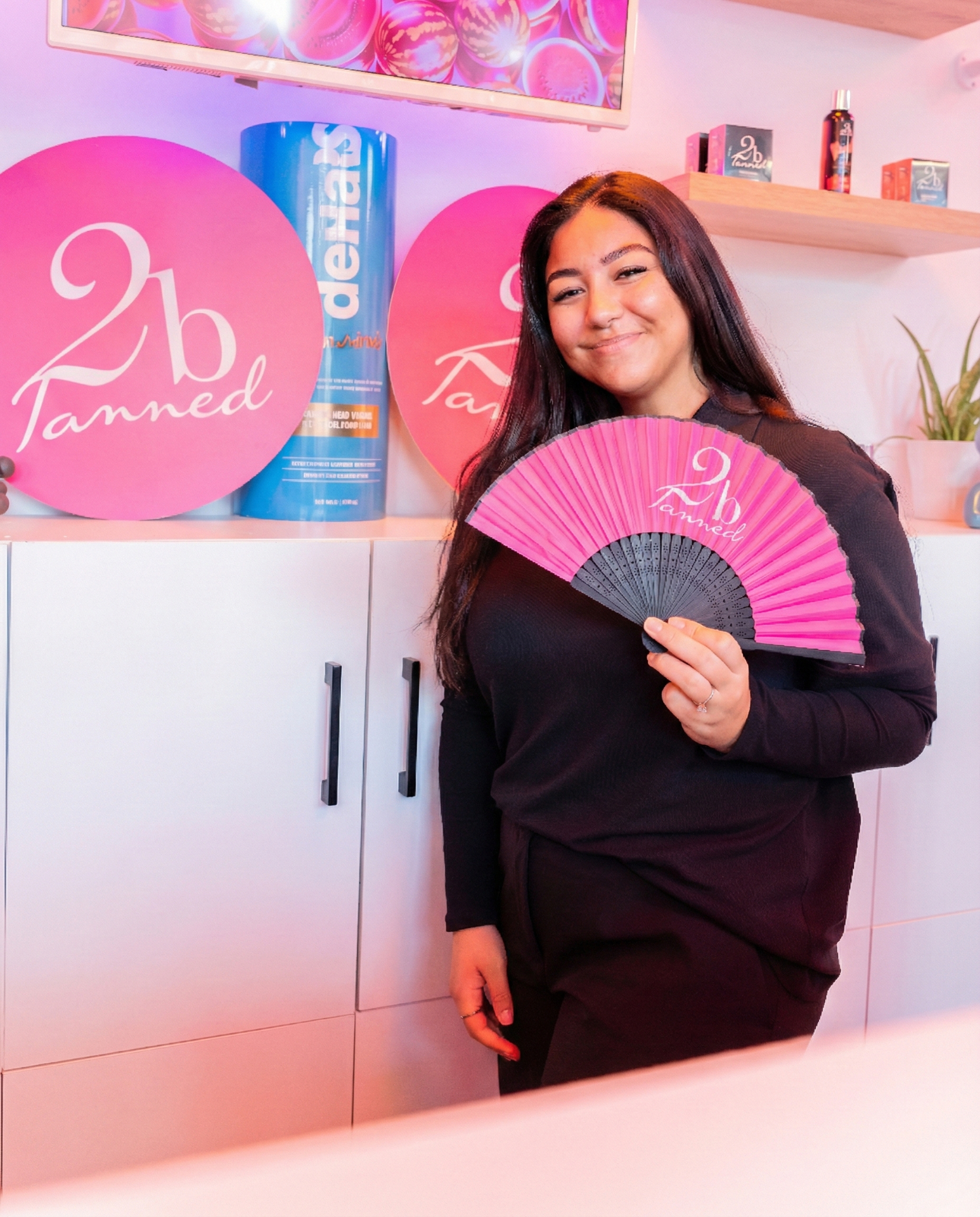
Jessie-Lee KingSalon Manager & Tanning Expert
Jessie-Lee is the Salon Manager at MEGATAN Studio Birmingham with over 8 years of experience in professional tanning. She specialises in helping clients find the perfect tanning routine, from selecting the right lotions to building safe, effective sunbed regimens. Jessie-Lee has trained with leading brands including Australian Gold, Devoted Creations, and Rapid Tan.