

Tanning Myths Debunked: 15 Common Misconceptions
Ever heard some wild claims about getting a tan? It's time to set the record straight! Jessie-Lee King, Salon Manager and Tanning Expert at MEGATAN, is here to bust 15 common tanning myths and clear up those misconceptions.
Hello sunshine seekers and glow getters! Jessie-Lee King here, your friendly Salon Manager and Tanning Expert from MEGATAN, ready to chat about all things tan. Now, I've heard my fair share of whispers, old wives' tales, and outright whoppers when it comes to tanning. It seems everyone has an opinion, but not all of them are based on fact! Today, we're going on a myth-busting mission to separate the truth from the fiction about tanning, sunbeds, and achieving that perfect golden glow safely and effectively. Let's dive in!
Myth 1: A Base Tan Protects You From Sunburn
Oh, if only it were that simple! While a slight tan does offer a very minimal amount of natural SPF (around 2-4), it is absolutely NOT a substitute for proper sun protection. Relying on a 'base tan' to prevent sunburn is like bringing a spoon to a knife fight – it just won't cut it. Always use a broad-spectrum SPF when exposed to UV, whether you're tanned or not. Safety first, always!
Myth 2: Sunbeds Are Safer Than Natural Sun
This is a big one, and it's simply not true. Both natural sunlight and sunbeds emit UV radiation, which is what causes tanning and, in excess, can damage your skin. Sunbeds often emit primarily UVA rays, which penetrate deeper into the skin and contribute to premature ageing. The key is moderation and responsible use, understanding the risks associated with all forms of UV exposure. Always follow recommended exposure times and use appropriate lotions.
Myth 3: You Don't Need Tanning Lotion on a Sunbed
Wrong! Think of tanning lotion as your skin's best friend during a sunbed session. It's not just about getting darker; it's about hydrating your skin, accelerating the tanning process, and ensuring an even, long-lasting tan. Dry skin reflects UV light, making it harder to tan, and can lead to a patchy result. Plus, many lotions contain skin-loving ingredients that nourish and protect. Trust me, your skin will thank you!
Myth 4: Tanning Is the Only Way to Get Vitamin D
While UV exposure does help your body produce Vitamin D, it's not the only way, nor is it the safest. You can get plenty of Vitamin D from fortified foods, supplements, and even short, sensible periods of sun exposure (without burning, of course!). Don't feel you need to sacrifice your skin's health for your Vitamin D intake.
Myth 5: You Can't Burn on a Sunbed
Oh, you absolutely can! Sunbeds emit UV radiation, and just like natural sun, too much exposure without proper care will lead to sunburn. Always start with short sessions, gradually increasing exposure time, and never exceed the recommended limits for your skin type. Listen to your skin!
Myth 6: Tanning Makes Acne Better
Initially, UV exposure might dry out acne and make it appear less noticeable. However, this is often a temporary effect. Long-term, UV radiation can actually worsen acne by leading to thicker skin, which can trap oil and bacteria, and cause post-inflammatory hyperpigmentation (dark spots) that are harder to get rid of. It's best to treat acne with dermatologist-recommended products.
Myth 7: Tanning Lotion With SPF Stops You Tanning
This is a common misconception! SPF lotions are designed to PROTECT your skin from burning, not to stop you from tanning. A lower SPF (like SPF 15 or 20) will still allow you to tan gradually and safely, while significantly reducing your risk of sunburn and long-term skin damage. Tanning safely is always the goal!
Myth 8: You Can 'Catch Up' on Tanning if You Miss a Session
Your skin needs time to develop and deepen a tan. Trying to 'catch up' by doubling your session time or going more frequently than recommended will only increase your risk of burning and skin damage, not give you a better tan. Consistency and moderation are key to a beautiful, lasting glow.
Myth 9: Drinking Water Stops You From Burning
While staying hydrated is fantastic for your overall health and skin, it won't prevent sunburn. Sunburn is caused by UV radiation damaging skin cells. Hydration helps skin health, but it's not a UV shield. Always use SPF and follow safe tanning practices.
Myth 10: Tanning Makes You Look Healthier
A golden tan can certainly boost confidence and make you feel great, but it's important to remember that 'healthy' skin is skin that isn't damaged. Excessive UV exposure can lead to premature ageing, wrinkles, and other skin issues. A radiant glow is lovely, but true health comes from within and from protecting your skin.
Myth 11: Fair-Skinned People Can't Tan
Not true! While fair-skinned individuals are more prone to burning, they absolutely can achieve a tan. It just requires more patience, shorter exposure times, and diligent use of SPF. Slow and steady wins the race when it comes to tanning for lighter skin tones, focusing on gradual development to avoid burns.
Myth 12: You Can't Tan Through a Window
Most standard window glass blocks UVB rays (the main cause of sunburn), but it allows UVA rays to pass through. UVA rays contribute to tanning and premature skin ageing. So, while you might not burn as easily, you can still tan (and experience skin damage) through a window. This is why it's important to wear SPF even indoors if you're near a sunny window for extended periods.
Myth 13: The Smell After Tanning Means You Got a Good Tan
That distinctive post-tanning smell? It's not a sign of a 'good tan' or even that your tan is developing. It's actually caused by bacteria on your skin reacting with UV light. Many modern tanning lotions are formulated to help minimise this smell, but it's a natural byproduct and not a tanning indicator.
Myth 14: You Don't Need to Moisturise After Tanning
This is a big no-no! Moisturising is absolutely essential, especially after tanning. UV exposure can dry out your skin, and dry skin sheds faster, taking your tan with it. Regular moisturising helps to keep your skin hydrated, prolongs your tan, and keeps your skin looking smooth and healthy. Think of it as investing in your glow!
Myth 15: Tanning Is Addictive
While some people report feeling a sense of relaxation or improved mood after tanning, the idea that tanning itself is physiologically addictive like a drug is largely unsupported by scientific evidence, although some individuals may develop a psychological dependence on achieving a certain look. Responsible tanning is about enjoying a glow safely and in moderation, not about chasing an addiction.
The Real Deal on Tanning
So there you have it, 15 common tanning myths debunked! My goal at MEGATAN is always to help you achieve a beautiful, radiant tan safely and responsibly. Understanding the facts is crucial for making informed choices about your skin and your tanning routine.
Remember these key takeaways:
- Always use appropriate SPF when exposed to UV, whether natural or artificial.
- Tanning lotions are your best friend for sunbed sessions – they hydrate, accelerate, and protect.
- Moderation is key; never overdo it with UV exposure.
- Hydrate your skin inside and out, especially after tanning, to prolong your glow.
If you have any questions or want advice on the best products for your skin type and tanning goals, don't hesitate to pop into one of our MEGATAN salons or browse our extensive range online. We're always here to help you glow safely!
Happy tanning, and stay glowing!
Jessie-Lee King
Salon Manager & Tanning Expert, MEGATAN
Written by
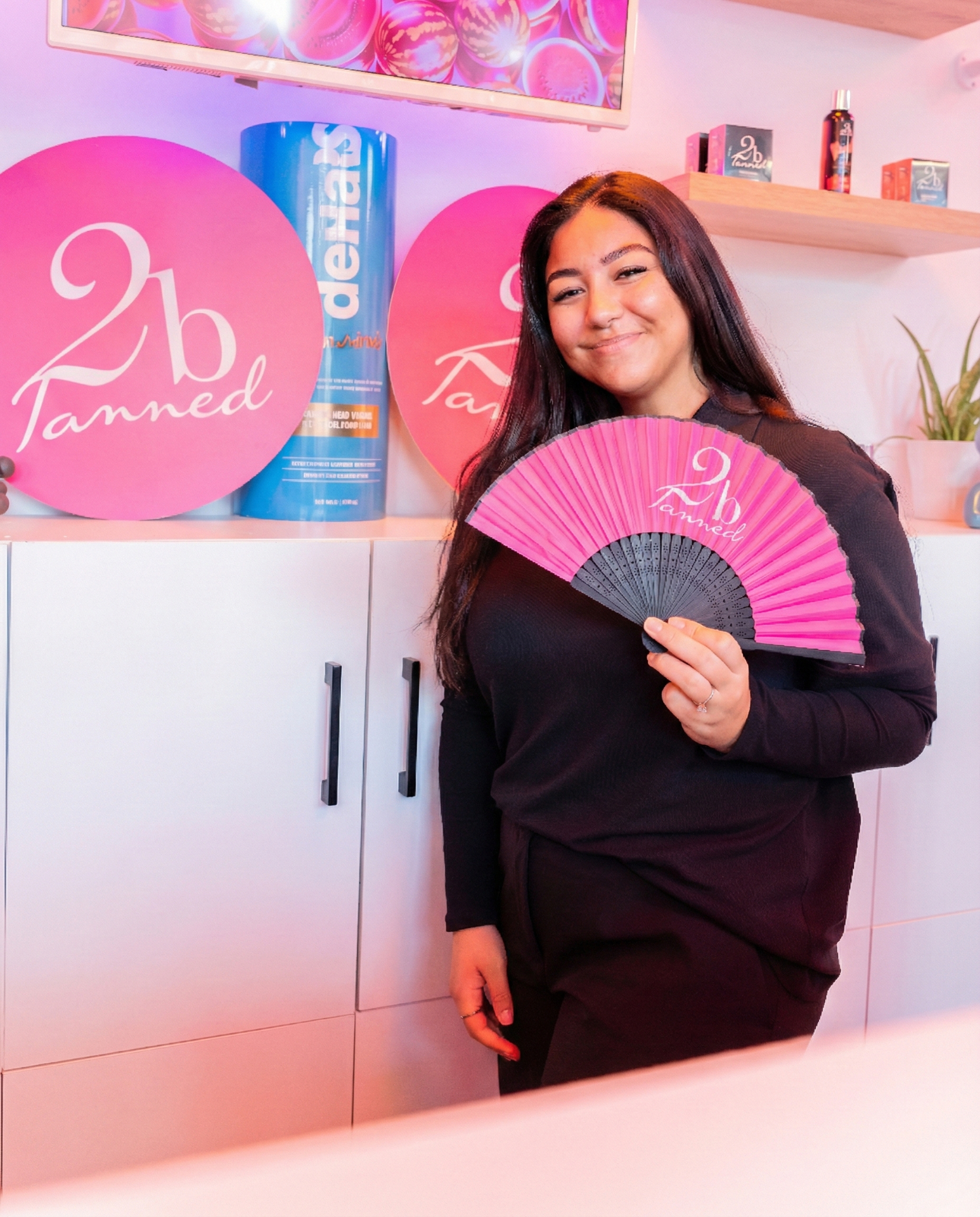
Jessie-Lee KingSalon Manager & Tanning Expert
Jessie-Lee is the Salon Manager at MEGATAN Studio Birmingham with over 8 years of experience in professional tanning. She specialises in helping clients find the perfect tanning routine, from selecting the right lotions to building safe, effective sunbed regimens. Jessie-Lee has trained with leading brands including Australian Gold, Devoted Creations, and Rapid Tan.