

What Is DHA in Self-Tan? The Science Explained
Curious about the secret behind your flawless fake tan? Let's dive into the science of Dihydroxyacetone, or DHA, the star ingredient that gives you that beautiful, sun-kissed glow without the sun.
Hello sunshine seekers and tanning enthusiasts! Jessie-Lee here, your resident Salon Manager and Tanning Expert at MEGATAN. Today, we're pulling back the curtain on one of the most frequently asked questions in the world of self-tanning: What exactly is DHA, and how does it give me that gorgeous, natural-looking glow? It's time for a little science lesson, but don't worry, I promise to keep it fun and easy to understand!
If you've ever used a self-tanning product, you've almost certainly encountered DHA. It's the active ingredient responsible for that beautiful bronze hue that develops on your skin. But what is it, where does it come from, and most importantly, how does it work its magic? Let's find out!
What is DHA? Dihydroxyacetone Unpacked
DHA stands for Dihydroxyacetone. Quite a mouthful, right? It's a simple carbohydrate (a type of sugar) that is often derived from natural sources such as sugar beets and sugar cane, or through the fermentation of glycerine. It's colourless, and when applied to the skin, it reacts with the amino acids in the outermost layer of your skin, the stratum corneum.
This reaction is known as the Maillard reaction – yes, the same chemical process that browns your toast or sears your steak! But instead of creating a delicious crust, it creates brown pigments called melanoidins on your skin. These pigments are what give you that lovely, sun-kissed appearance.
How Does Fake Tan Work? The Maillard Reaction Explained
So, when you apply a self-tanning product containing DHA, it doesn't stain your skin, nor does it penetrate beyond the very top layer. Instead, it interacts with the dead skin cells on the surface. These cells contain amino acids, and when DHA comes into contact with them, a chemical reaction occurs. This reaction produces those brown melanoidin compounds, which are similar in appearance to melanin, the natural pigment produced by your body when exposed to UV light.
Because this reaction only affects the outermost layer of your skin, your tan will gradually fade as your skin naturally exfoliates and sheds these dead skin cells. This is why proper skin preparation and aftercare are so important for a long-lasting, even tan!
Is DHA Safe? Addressing Your Concerns
One of the most common questions I get asked is about the safety of DHA. And it's a very valid question! The good news is that DHA has been approved for cosmetic use by regulatory bodies worldwide, including the UK and EU, for many years. It's widely considered safe for topical application.
As it only reacts with the very surface of your skin and doesn't enter the bloodstream, the risks associated with DHA are minimal. However, as with any cosmetic product, some individuals may experience mild skin irritation or allergic reactions. It's always a good idea to do a patch test 24-48 hours before a full application, especially if you have sensitive skin.
The Percentage Game: How DHA Strength Affects Your Tan
You might have noticed that self-tan products come in various strengths, often labelled as 'light', 'medium', 'dark', or even 'ultra-dark'. This typically refers to the concentration of DHA in the product. A higher percentage of DHA will result in a deeper, darker tan.
- Lower DHA concentrations (around 2-5%) are great for a subtle, natural glow, perfect for beginners or those with fair skin.
- Medium DHA concentrations (around 6-9%) are ideal for a noticeable, golden tan.
- Higher DHA concentrations (10% and above) are for those who desire a deep, rich, and more intense bronze.
Choosing the right strength depends on your natural skin tone and your desired tanning result. Don't be afraid to experiment to find your perfect match!
Tips for a Flawless DHA Tan
Now that you're a DHA expert, let's refresh on how to get the best out of your self-tan:
- Exfoliate Thoroughly: This is step one for an even, streak-free tan. Remove all those dead skin cells so the DHA has a fresh, smooth canvas to work on.
- Moisturise Dry Areas: Pay special attention to knees, elbows, ankles, and hands. These areas tend to be drier and can absorb more DHA, leading to darker patches. A light layer of moisturiser will act as a barrier.
- Apply Evenly: Use a tanning mitt for a smooth, even application and to protect your hands from staining. Work in sections and use sweeping motions.
- Rinse and Develop: Follow the product instructions for development time. Once rinsed, moisturise daily to prolong your tan.
- Sun Protection: Remember, a self-tan does NOT protect you from the sun's UV rays! Always apply SPF when outdoors. We have some fantastic options to keep your skin safe, like the Malibu Clear All Day Protection Spray SPF 20 for just £8.99 or the Australian Gold SPF 30 Lotion at £15.
DHA-Free Options: What About Accelerators?
While DHA is the star of self-tanning, it's worth noting that not all tanning products contain it. Tanning accelerators, often used in conjunction with sunbed sessions or natural sun exposure, work differently. They typically contain ingredients designed to stimulate your body's natural melanin production, rather than creating a surface colour change. Products like the Power Tan Non-Stop Black Bronzing Butter are fantastic DHA-free options if you're looking to boost your natural tan.
MEGATAN's Top DHA Picks for a Gorgeous Glow
Ready to put your new DHA knowledge to good use? Here are some of our favourite DHA-infused products that our customers adore:
- 2bTanned Glow Drip - VIP Bronze (100ml) for £15: Get that luxurious, deep bronze with this popular choice.
- SummerDaze The Ultra-Dark Luxe Deep Hydration 250ml for £29: For those who love an intense, head-turning tan with added hydration.
- Australian Gold Tropical Retreat DHA Bronzer for £44: A premium bronzer that delivers a rich, tropical glow.
Final Thoughts from Jessie-Lee
So there you have it! The mystery of DHA unravelled. It's a clever little sugar that, through a simple chemical reaction with your skin, gives you a beautiful, temporary tan without any of the sun damage. Understanding how your self-tan works can help you choose the right products and apply them effectively for the best results every time.
Remember, at MEGATAN, we're all about giving you the knowledge and the products to achieve your perfect glow safely and beautifully. If you have any more questions about DHA or any other tanning queries, don't hesitate to reach out or pop into one of our salons. Stay golden!
Written by
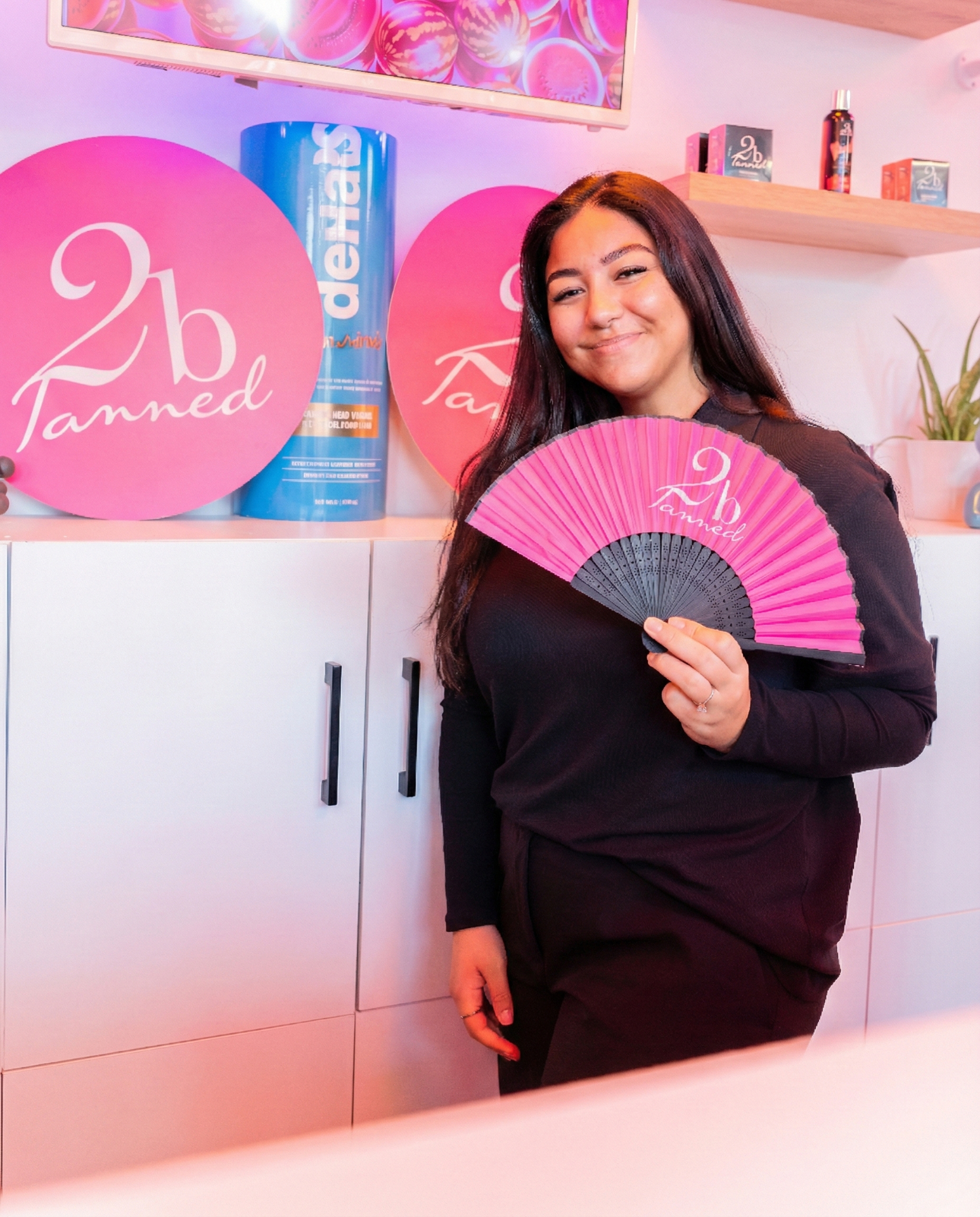
Jessie-Lee KingSalon Manager & Tanning Expert
Jessie-Lee is the Salon Manager at MEGATAN Studio Birmingham with over 8 years of experience in professional tanning. She specialises in helping clients find the perfect tanning routine, from selecting the right lotions to building safe, effective sunbed regimens. Jessie-Lee has trained with leading brands including Australian Gold, Devoted Creations, and Rapid Tan.