

Natural vs Synthetic Bronzers: What's the Difference?
Ever wondered what goes into achieving that perfect golden glow? When it comes to bronzers, there's a whole world of natural and synthetic options, each with its own magic. Let's break down the differences!
Hello sunshine seekers! Jessie-Lee here, your resident tanning expert and Salon Manager at MEGATAN. Today, we're diving deep into a topic that often sparks a bit of confusion: the difference between natural and synthetic bronzers. Whether you're a seasoned tanner or just starting your journey to a beautiful glow, understanding these ingredients is key to choosing the right products for you. So, grab a cuppa, and let's get glowing!
You've probably seen 'bronzer' on countless tanning lotions, but it's not always as simple as it sounds. There are different types, and they work in distinct ways to give you that gorgeous colour. We'll explore cosmetic bronzers, DHA (dihydroxyacetone), and the various 'natural' ingredients that can help enhance your tan.
What Exactly is a Bronzer in Tanning Products?
Before we get into the nitty-gritty, let's clarify what a bronzer does in a tanning product. Generally, a bronzer is an ingredient that helps to deliver immediate or delayed colour. Think of it as a little helper for your tan, giving you either an instant tint or boosting the development of a deeper, longer-lasting tan.
It's important to differentiate between tanning lotions designed for sunbeds or outdoor tanning (which often contain bronzers to enhance your UV-induced tan) and self-tanning products (which use bronzers as their primary tanning agent). Today, we're focusing on bronzers found in lotions used during or after UV exposure, or as part of a sunless tanning routine.
Cosmetic Bronzers: The Instant Gratification
Let's start with cosmetic bronzers. These are the simplest form of bronzer and offer instant colour, much like applying makeup. They don't actually change your skin's pigment but rather sit on the surface, providing a temporary tint.
- How they work: Cosmetic bronzers are typically made from colourants like caramel, walnut extract, or food-grade dyes. They simply stain the outermost layer of your skin.
- Benefits: Instant gratification! You see colour immediately, which can be great for evening out skin tone or getting a boost before a night out. They can also act as a guide colour, helping you apply self-tanner more evenly.
- Drawbacks: They wash off with soap and water, can sometimes transfer to clothing, and don't contribute to a lasting tan.
- Who they're for: Anyone who wants an immediate glow, or as a guide colour for DHA products. Perfect for those special occasions!
You'll often find cosmetic bronzers combined with other tanning agents to give you that 'wow' factor straight away while your deeper tan develops.
Synthetic Bronzers: The Science of DHA
Now, let's talk about the big player in the world of sunless tanning: DHA, or Dihydroxyacetone. This is the star ingredient in most self-tanning products and many advanced bronzing lotions for sunbeds. DHA is a synthetic bronzer, but don't let the word 'synthetic' put you off – it's widely considered safe and effective.
- How it works: DHA reacts with amino acids in the dead skin cells on the outermost layer of your skin (the stratum corneum). This reaction, called the Maillard reaction, produces melanoidins, which are brown-coloured compounds. It's essentially a superficial browning of the skin.
- Benefits: Provides a long-lasting, natural-looking tan that doesn't wash off. The tan typically develops over a few hours and can last for several days to a week, depending on your skin's exfoliation cycle.
- Drawbacks: Can sometimes have a 'self-tan smell' (though formulations are getting much better!). Requires careful application to avoid streaks, and can dry out the skin if not properly moisturised. It doesn't offer sun protection, so always use SPF!
- Who it's for: Anyone looking for a deeper, more enduring tan without UV exposure, or to boost and extend a UV tan.
It's crucial to remember that a DHA tan does not protect you from the sun's harmful UV rays. Always apply a broad-spectrum SPF when heading outdoors, even if you look tanned!
Natural Bronzers: Boosting Your Glow Naturally
When we talk about 'natural bronzers' in tanning lotions, we're usually referring to plant-derived extracts that can either provide a temporary cosmetic tint or help stimulate your skin's natural melanin production, deepening your tan.
- Types of Natural Bronzers:
- Caramel & Walnut Extract: These are classic examples of natural cosmetic bronzers, giving you immediate, wash-off colour.
- Tyrosine: An amino acid that is a precursor to melanin production. While not a bronzer itself, it's often included in 'natural bronzing' formulations to help accelerate and deepen your UV-induced tan.
- Riboflavin (Vitamin B2): Can also contribute to a golden hue and is sometimes used as a natural cosmetic bronzer.
- Other Plant Extracts: Ingredients like carrot oil, annatto, and henna can impart a temporary colour or nourish the skin to support tanning.
- Benefits: Often provide a more subtle, gradual tan. Can be gentler on sensitive skin. Many natural extracts also offer skin-conditioning benefits.
- Drawbacks: The colour from purely natural cosmetic bronzers is temporary. Those that stimulate melanin production still require UV exposure for a tan to develop. Results can be less dramatic than DHA.
- Who they're for: Those who prefer natural ingredients, have sensitive skin, or want a subtle, gradual tan that develops with UV exposure.
Which Bronzer is Right for You?
Choosing the right bronzer depends entirely on your tanning goals and preferences:
- For an instant glow that washes off: Opt for products with cosmetic bronzers (like caramel or walnut extract). Great for a quick fix!
- For a long-lasting, sunless tan: DHA is your best friend. Look for self-tanners or bronzing lotions with DHA if you want colour that sticks around.
- For enhancing your natural UV tan: Many tanning accelerators and intensifiers contain natural extracts like tyrosine to boost your skin's melanin production when exposed to UV light. Some also include cosmetic bronzers for immediate gratification.
- For sensitive skin: Start with products featuring natural cosmetic bronzers or low concentrations of DHA. Always do a patch test first!
Many of our fantastic MEGATAN products combine different types of bronzers to give you the best of both worlds – immediate colour and a developing, lasting tan. It's all about finding your perfect match!
Jessie-Lee's Top Tanning Tips for Bronzer Users
- Exfoliate: Always exfoliate your skin before applying any bronzing product, especially those with DHA. This removes dead skin cells and creates a smooth canvas for an even, streak-free tan.
- Moisturise: Hydrated skin holds a tan better and prevents patchiness. Regular moisturising (especially after showering) will extend the life of your tan. Our Australian Gold Moisture Lock Tan Extender is brilliant for this!
- Patch Test: If you have sensitive skin or are trying a new product, always do a patch test 24 hours beforehand to check for any reactions.
- Wash Hands: After applying any bronzing lotion, wash your hands thoroughly to avoid tell-tale orange palms!
- SPF is Essential: Bronzers, whether natural or synthetic, do NOT provide sun protection. Always apply a broad-spectrum SPF when exposing your skin to the sun. Safety first, sunshine!
- Patience with DHA: Give DHA-based products time to develop. Don't shower immediately after application; check the product instructions for recommended development times.
Ready to Find Your Perfect Bronzer?
I hope this deep dive into natural and synthetic bronzers has cleared up some of the mystery! At MEGATAN, we're all about helping you achieve your tanning goals safely and effectively. We have a huge range of lotions, each formulated with different bronzing technologies to suit every skin type and desired outcome.
Don't be afraid to experiment a little to find what works best for your skin. And remember, if you ever have any questions, our friendly team at MEGATAN is always here to help. Happy tanning, lovelies!
Written by
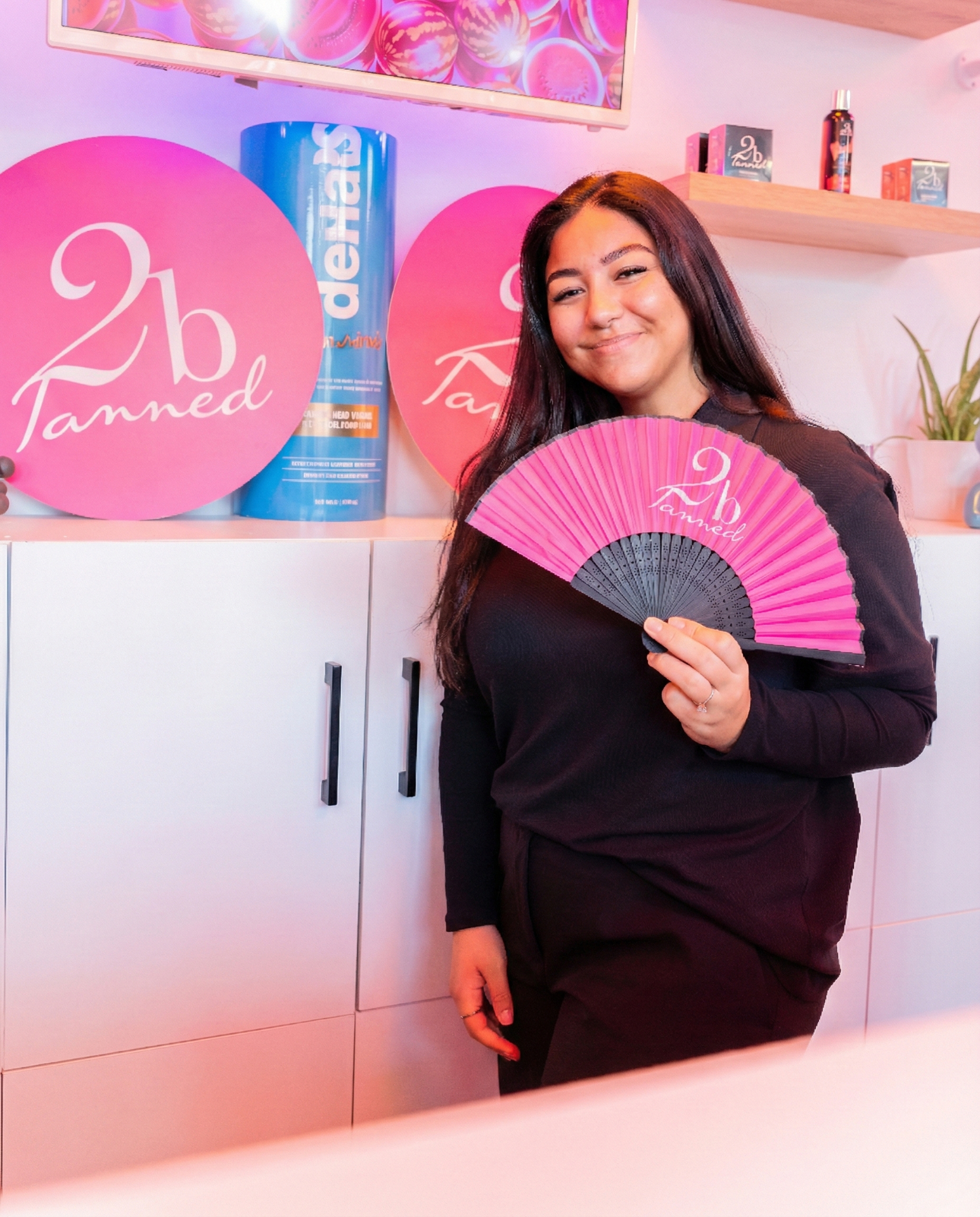
Jessie-Lee KingSalon Manager & Tanning Expert
Jessie-Lee is the Salon Manager at MEGATAN Studio Birmingham with over 8 years of experience in professional tanning. She specialises in helping clients find the perfect tanning routine, from selecting the right lotions to building safe, effective sunbed regimens. Jessie-Lee has trained with leading brands including Australian Gold, Devoted Creations, and Rapid Tan.