


1. Sun Tanning
Tanning in the sun is one of the most classic ways to build a tan. It’s also effective for getting a daily dose of vitamin D, which can boost mood and strengthen the immune system. The sun emits UV radiation, stimulating melanin production in the skin.
Safe Sun Exposure Tips:
- Use broad-spectrum sunscreen with SPF 30 or higher.
- Avoid peak sun hours (10 a.m. to 4 p.m.) to reduce burn risks.
- Gradually increase sun exposure to prevent damage.
Pros Cons Natural look and feel High risk of skin damage from UV rays Vitamin D benefits Uneven tan if not rotated properly
2. Tanning Beds
Tanning beds use artificial UV light to provide a controlled environment for tanning. These are popular for those who want a quick, even tan. For instance, 10 minutes on a sunbed can be equivalent to 2 hours in the sun.
Tips for Safer Tanning Bed Use:
- Use lotions with sun protection to reduce UV damage.
- Moderate your sessions to avoid overexposure.
- Consider adding lycopene-rich foods like tomato paste for skin protection.
Pros Cons Consistent, quick results Increased risk of skin cancer with prolonged use Convenient year-round Upfront cost can be high
3. Spray Tanning
Spray tanning uses a DHA-based solution that reacts with amino acids in the skin to create a temporary bronzed appearance. This method provides instant results without UV exposure, making it a popular choice for those seeking a safe tanning option.
Pre-Tan Preparation:
- Exfoliate and shave before your session for even application.
- Moisturise daily to extend the life of your spray tan.
Pros Cons UV-free, instant results Requires regular maintenance Customizable shades Can wear off unevenly
4. Self-Tanning Lotions and Mousses
Self-tanners include lotions, mousses, gels, and wipes. Most contain DHA as the active ingredient, which reacts with the amino acids in your skin cells to create a temporary brown stain. The tan gradually develops over a few hours and can last between 3 to 10 days, depending on the brand and your skincare routine. However, fake tan does not protect against sunburn, so applying sunscreen in direct sunlight is still essential.
Application Tips for Even Results
- Skin preparation: Shave, exfoliate, and moisturise, especially dry areas like elbows and knees, to avoid streaks.
- Application techniques: Use a tanning mitt or gloves for smooth application in circular motions.
- Drying and setting time: Leave the self-tanner on for 8-12 hours before showering for optimal results.
Pros Cons No UV exposure, making it a safe option Risk of uneven application or streaking Available in varying shades to match skin tones Must apply SPF when exposed to the sun Can build up colour over time for a controlled glow Temporary, requiring regular maintenance
5. Tanning Drops
Tanning drops are a customisable solution that can be mixed with your moisturiser to create a gradual tan. The more drops you use, the darker the tan. This method allows for a personalised glow based on your preferences.
Best Practices for Tanning Drops
- How to use: Mix with moisturiser and apply evenly, blending around joints and dry areas.
- Consistency: Use regularly as part of your skincare routine for a lasting tan.
Pros Cons Easily accessible in stores and online Can become patchy if not applied correctly UV-free method, reducing the risk of burning Requires sunscreen for outdoor sun protection
6. Tanning Oils
Tanning oils enhance natural tanning by attracting more UV rays to the skin, speeding up the tanning process. They are commonly used by sunbathers to achieve a bronzed look quickly. However, using oils without SPF can increase the risk of sunburn and skin damage.
Safer Alternatives
- SPF-infused tanning oils: These provide some UV protection while enhancing your tan.
- Using SPF separately: Always pair tanning oils with broad-spectrum sunscreen.
Pros Cons Enhances the skin’s ability to tan quickly Minimal sun protection, increasing risk of sunburn Provides a moisturizing effect, leaving skin smooth Requires frequent reapplication, especially after swimming
7. Gradual Tanners
Gradual tanning lotions are perfect for those who prefer a subtle, buildable tan. These lotions contain lower concentrations of DHA, allowing users to deepen their tan gradually over time. This method is ideal for beginners and those looking for a natural, sun-kissed glow.
Benefits of Gradual Tanners
- Low-maintenance: Easily incorporated into a daily skincare routine for ongoing colour.
- Reduced risk of streaks: The gradual nature of the product reduces chances of uneven application.
How to Incorporate Gradual Tanners into Your Routine
- How to use: Apply after showering like a regular body lotion.
- Consistency: Use consistently for a continuous, natural glow.
Pros Cons Allows for a subtle, buildable tan over time Requires consistent application to maintain the desired shade Moisturising properties keep skin hydrated Results can appear uneven if not applied evenly UV-free, reducing the risk of sun damage Some formulas take longer to show visible results Suitable for all skin types Sunscreen is still necessary outdoors as gradual tanners do not protect against UV rays
8. Natural Tanning Enhancers
For those looking to achieve a natural tan without the use of topical products, certain dietary supplements can help enhance your skin’s glow from within. Beta-carotene, found in carrots and sweet potatoes, is known to give skin a warm tone. Lycopene, an antioxidant found in tomatoes, can also contribute to a natural tan.
Additional Tips for Enhancing Your Tan
- Hydration: Drink plenty of water to keep your skin plump and healthy.
- Exfoliation: Regular exfoliation removes dead skin cells, allowing for an even tan.
- Moisturising: Keeps your skin smooth and helps prolong your tan. Investing in a tan extender can also help.
Pros Cons Often made with natural ingredients, reducing exposure to chemicals Results may vary depending on skin type Boosts the skin’s natural tanning ability when exposed to sunlight Provides little to no sun protection, requiring SPF use Contains antioxidants that nourish the skin Takes longer to show results than other tanning methods Suitable for those seeking an organic approach Requires consistent application for noticeable results
Conclusion
We’ve explored various tanning methods, including sunbeds, sun tanning, self-tanners, gradual tanners, spray tans, and natural tanning enhancers. Whether you prefer a quick glow or a gradual build-up, there’s an option to suit your needs.
Remember, it’s essential to prioritize your skin’s health. Using sunbeds before a holiday to develop a base tan, enjoying the sun responsibly, and maintaining your glow with self-tanning products can help you achieve beautiful, consistent results while protecting your skin.
Always use broad-spectrum sunscreen with a minimum SPF of 30 to safeguard your skin from harmful UV rays. This not only protects your skin but also helps your tan last longer, giving you a radiant, healthy glow.
FAQs
What’s the Safest Way to Tan? Sunless methods like tanning drops, gradual tanners, and self-tan products offer a UV-free way to achieve a golden glow.
How Long Does a Spray Tan Last? Spray tans can last between 5 to 10 days, depending on your skincare routine. Exfoliating before the session and using a good tan extender can help prolong its life.
Can Tanning Beds Ever Be Safe? Tanning beds are not considered entirely safe due to their risk of skin cancer. However, moderate use, combined with protective measures, can reduce some risks.
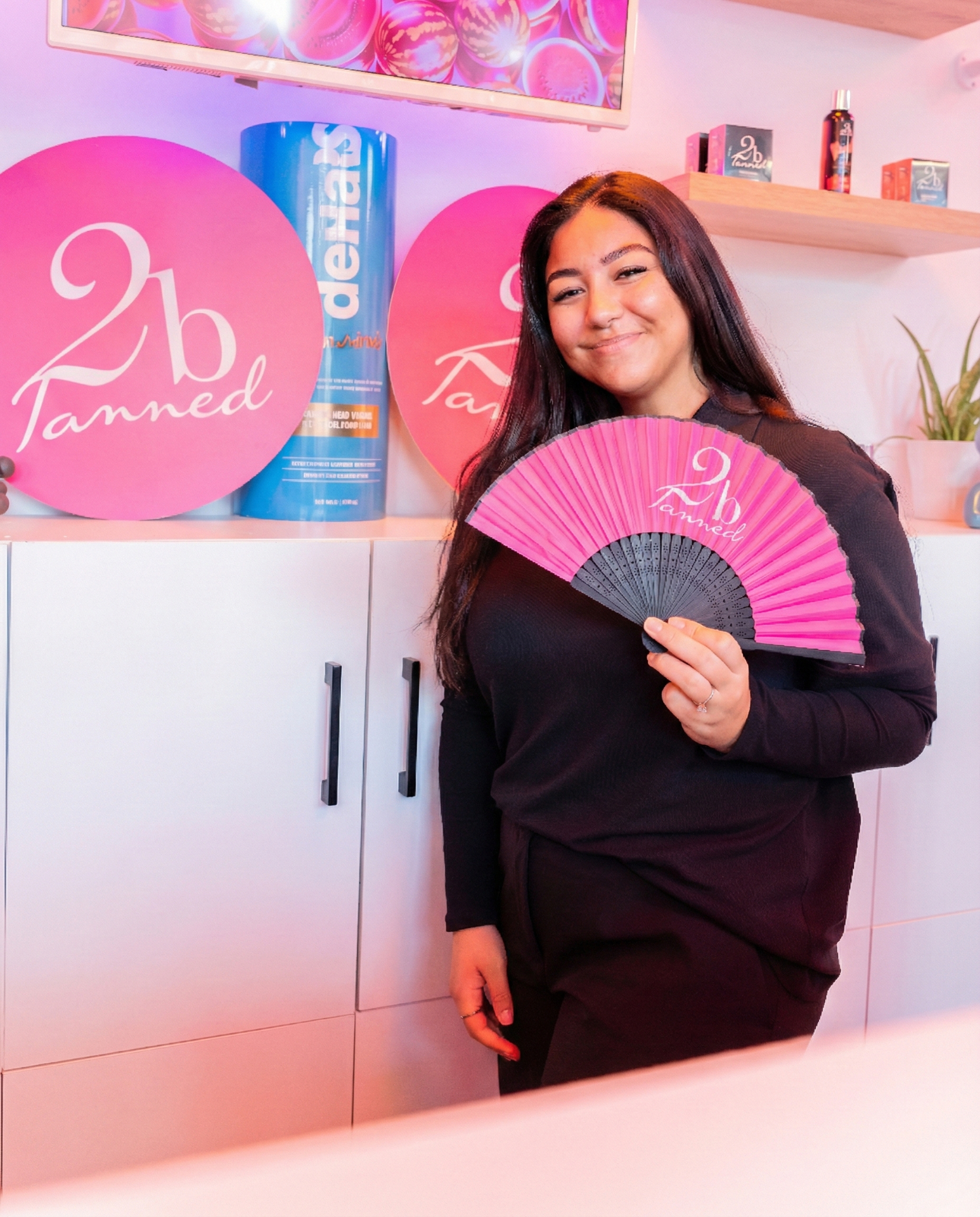
Written by
Jessie-Lee KingSalon Manager & Tanning Expert
Jessie-Lee is the Salon Manager at MEGATAN Studio Birmingham with over 8 years of experience in professional tanning. She specialises in helping clients find the perfect tanning routine, from selecting the right lotions to building safe, effective sunbed regimens. Jessie-Lee has trained with leading brands including Australian Gold, Devoted Creations, and Rapid Tan.