

White Spots After Tanning: What They Mean
Ever noticed those pesky white spots popping up after a tanning session? Don't fret! I'm here to explain what causes them and how you can get back to an even, gorgeous glow.
Hey there, gorgeous tanners! Jessie-Lee here, your go-to tanning expert and salon manager at MEGATAN. We all love that beautiful, sun-kissed glow, don't we? But sometimes, after a fantastic tanning session, you might notice something a little… unexpected. Those little white spots or patches on your skin can be quite a head-scratcher! Rest assured, you're not alone, and in most cases, there's a perfectly good explanation and an easy fix. Let's dive into the world of white spots after tanning, understand what's going on, and get you back to feeling fabulously even-toned!
What Are These White Spots Anyway?
First things first, let's demystify these little pale patches. White spots after tanning can pop up for a few different reasons, ranging from super common and harmless to needing a little extra care. It's usually your skin's way of telling you something, and once we know what that 'something' is, we can tackle it head-on.
The Most Common Culprits: Pressure Points
This is by far the most frequent reason for white spots after a sunbed session. When you're lying down in a sunbed, certain areas of your body, like your shoulder blades, tailbone, elbows, or the backs of your calves, press against the bed's surface. This pressure restricts blood flow to those areas. Less blood flow means less oxygen reaching the skin cells, and crucially, less melanin production. Melanin is the pigment responsible for tanning, so if it's not being produced as effectively in those pressure points, those areas will naturally tan less, appearing as lighter or white spots.
How to avoid them:
- Move around: During your sunbed session, try to shift your position slightly every few minutes. Gently lift your shoulders, move your hips, or bend your knees. Think of it like a subtle dance in the bed!
- Use a stand-up booth: If you're particularly prone to pressure points, a stand-up tanning booth can be a game-changer as it eliminates pressure altogether.
- Moisturise, moisturise, moisturise: Well-hydrated skin tans more evenly. Use a good quality tan extender daily to keep your skin supple and ready for an even glow. Our Australian Gold Moisture Lock Tan Extender is a fantastic choice!
Dry Skin Patches
Dry, flaky skin doesn't tan as well as healthy, hydrated skin. If you have patches of very dry skin, perhaps from eczema or just generally dehydrated areas, these spots won't absorb UV light or produce melanin as efficiently, leading to a lighter appearance. Think of it like trying to paint on a cracked canvas – the colour just won't take evenly!
How to address them:
- Exfoliate regularly: Gently exfoliating 24-48 hours before your tanning session removes dead skin cells, creating a smoother, more even surface for tanning. But remember, don't exfoliate immediately before!
- Hydrate daily: A good moisturiser is your best friend. Apply it generously, especially to any dry patches. Our SummerDaze The Ultra-Dark Luxe Deep Hydration is not only a fantastic tanner but also intensely hydrating.
Tinea Versicolor: The Fungal Factor
Okay, so this one sounds a bit more serious, but don't panic! Tinea versicolor is a common, harmless fungal infection that can cause small, discoloured patches on the skin. These patches can be lighter or darker than your natural skin tone. When you tan, the affected areas don't tan as much as the surrounding skin, making the white patches more noticeable. It's caused by an overgrowth of a yeast that naturally lives on your skin, and it loves warm, humid environments (sound familiar for us tanners?).
How to identify and treat it:
- Appearance: Often appears as small, round or oval, slightly scaly patches, usually on the chest, back, neck, or arms. They might be a bit itchy, especially when you get warm.
- Consult a doctor: If you suspect tinea versicolor, it's always best to get it checked by a GP or dermatologist. They can confirm the diagnosis and prescribe antifungal creams, shampoos, or oral medications.
- Continue tanning cautiously: While you're treating it, you can still tan, but be aware the spots will remain lighter until the infection is cleared and your skin has had a chance to re-pigment naturally. SPF is always a good idea on these areas if you're out in the sun, too. Our Malibu Clear All Day Protection Spray SPF 20 is perfect for on-the-go protection.
Sunburn Peeling
This might seem obvious, but if you've had a previous sunburn that has peeled, the new skin underneath is fresh and untanned. When you then expose it to UV light, it will tan, but it will be starting from scratch, potentially creating a lighter area compared to the already tanned skin around it. This is why we ALWAYS preach responsible tanning!
How to prevent it:
- Never burn: This is rule number one! Listen to your skin, stick to recommended times, and gradually build your tan. If you're out in natural sun, always use SPF. Our Australian Gold SPF 30 Lotion is a classic for a reason.
- Heal completely: If you do get a mild sunburn, wait until your skin has fully healed and is no longer peeling before tanning again.
Medication or Skin Conditions
Certain medications can make your skin more sensitive to UV light or affect its ability to tan evenly. Similarly, some skin conditions like vitiligo (a condition where the skin loses its pigment cells) or post-inflammatory hypopigmentation (lighter spots left after skin trauma or inflammation) can also cause white patches that won't tan.
What to do:
- Check your meds: Always read the side effects of any new medication, or ask your doctor or pharmacist if it might affect your skin's sun sensitivity.
- Consult a professional: If you have a persistent skin condition or are unsure, a dermatologist is the best person to consult for diagnosis and advice.
Boosting Your Tan for Evenness
No matter the cause (barring serious medical conditions, of course!), a good tanning accelerator or bronzer can really help achieve a more even, deeper tan. These products are designed to stimulate melanin production and provide an immediate cosmetic bronzing effect.
- Power Tan Non-Stop Black Bronzing Butter: A fantastic DHA-free accelerator that helps build a natural, even tan.
- Seven Suns Tan Thrill White Bronzer: Don't let the name fool you, a 'white bronzer' refers to the lotion's colour, not the tan it gives! It's packed with ingredients to deepen your tan.
- Seven Suns Bronze Delight Tanning Pudding: A luxurious option for intense hydration and a beautiful bronze.
Jessie-Lee's Top Tips for a Flawless, Even Tan
- Prep is key: Exfoliate gently 24-48 hours before tanning. Focus on areas prone to dryness.
- Hydrate, hydrate, hydrate: Moisturise daily, especially after showering, to keep your skin supple and ready to tan evenly.
- Use quality lotions: Always use a sunbed-specific tanning lotion. They are formulated to maximise your results and nourish your skin. Never just go in dry!
- Move in the sunbed: A little wiggle goes a long way to prevent pressure points.
- Listen to your skin: Never overdo it. Gradually build your tan to avoid burning and ensure an even, healthy glow.
- Stay moisturised post-tan: Extend the life and evenness of your tan with a good tan extender.
So, there you have it! Those little white spots after tanning are usually nothing to worry about and can be easily managed with a few tweaks to your tanning routine. Remember, healthy, well-prepped skin is the secret to a stunning, even tan. If you're ever concerned about a persistent skin issue, always consult a medical professional.
Happy tanning, lovelies! Stay glowing!
Jessie-Lee King, Salon Manager & Tanning Expert at MEGATAN
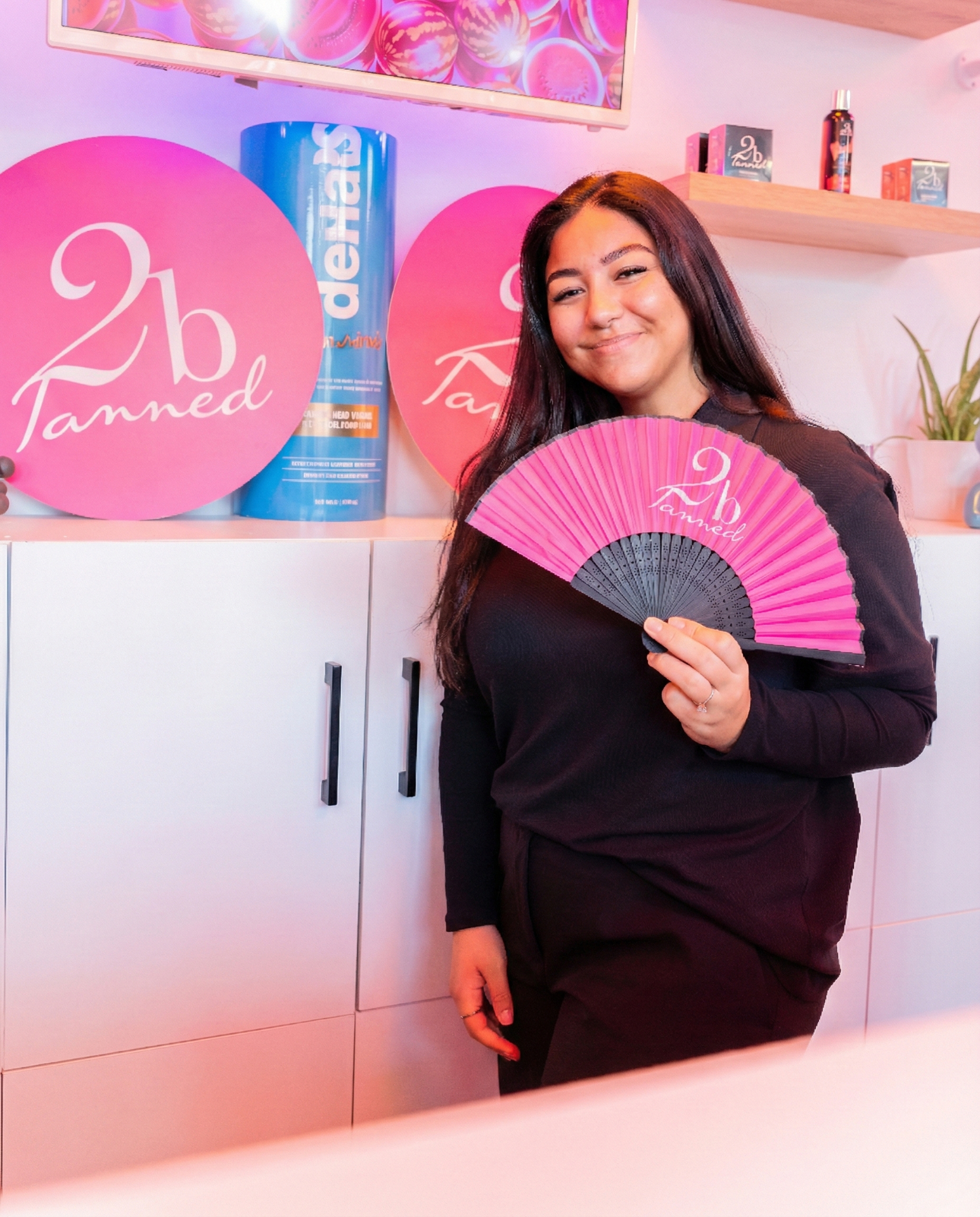
Written by
Jessie-Lee KingSalon Manager & Tanning Expert
Jessie-Lee is the Salon Manager at MEGATAN Studio Birmingham with over 8 years of experience in professional tanning. She specialises in helping clients find the perfect tanning routine, from selecting the right lotions to building safe, effective sunbed regimens. Jessie-Lee has trained with leading brands including Australian Gold, Devoted Creations, and Rapid Tan.