

Tanning Myths Busted
Separate fact from fiction with our myth-busting guide. Learn the truth about base tans, tanning beds, and sun protection.
There's a lot of misinformation about tanning floating around the internet. Let's separate fact from fiction so you can make informed decisions about your tanning routine.
Myth: A Base Tan Protects You From Sunburn
A tan is no substitute for sunscreen, and you can still burn. You should always use appropriate sun protection outdoors, even with a tan.
Myth: Sunbeds Are Safer Than Natural Sun
Indoor tanning and outdoor tanning both involve UV exposure. The key difference is control - sunbeds offer precise timing and consistent UV output, whereas outdoor exposure varies wildly.
- Sunbeds: Controlled environment, timed sessions, consistent output
- Natural sun: Variable intensity, harder to track exposure
- Both require responsible use and moderation
Myth: You Can't Tan With Fair Skin
While fair skin types need more care, most people can develop some level of tan. The key is patience, proper products, and never pushing too fast.
Myth: Tanning Lotions Are Just Marketing
Quality indoor tanning lotions genuinely enhance results. They contain ingredients that keep skin moisturised and help you build deeper-looking colour.
- Moisturised skin tans up to 50% better than dry skin
- Tyrosine and other tanning ingredients for a deeper-looking tan
- Bronzers add immediate depth
- Aftercare extends results significantly
Myth: More Sessions = Better Results
Tanning more frequently than every 24-48 hours doesn't accelerate results - it just increases unnecessary exposure. Quality over quantity.
Myth: Self-Tanners Damage Your Skin
Always use modern self-tanners as directed on the pack. DHA, the active ingredient, only affects the outermost layer of dead skin cells.
Written by
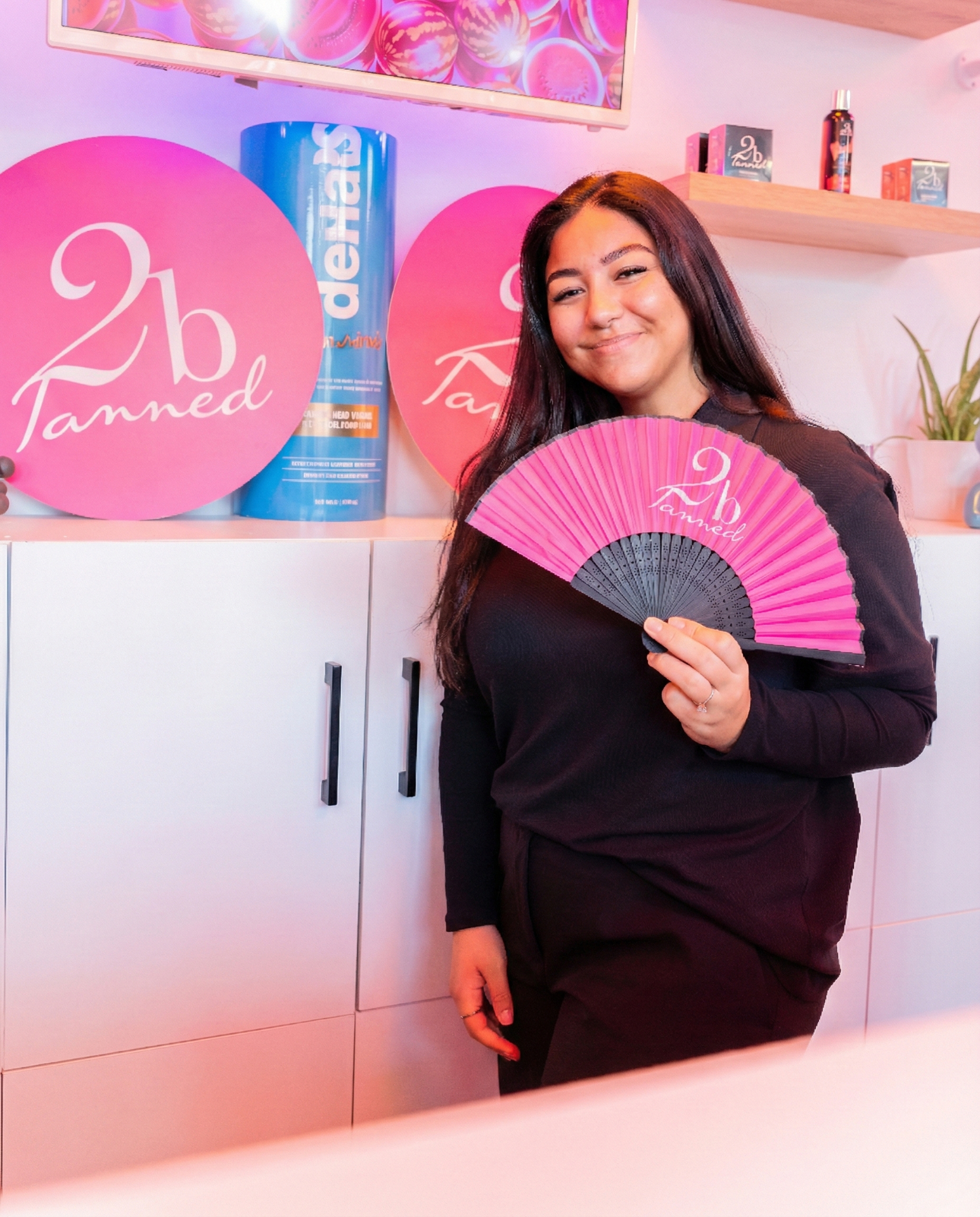
Jessie-Lee KingSalon Manager & Tanning Expert
Jessie-Lee is the Salon Manager at MEGATAN Studio Birmingham with over 8 years of experience in professional tanning. She specialises in helping clients find the perfect tanning routine, from selecting the right lotions to building safe, effective sunbed regimens. Jessie-Lee has trained with leading brands including Australian Gold, Devoted Creations, and Rapid Tan.